Cameroon’s Giant Showcasing the Region’s Biggest Fuel Operation
Cameroon’s Giant Showcasing the Region’s Biggest Fuel Operation
Blog Article
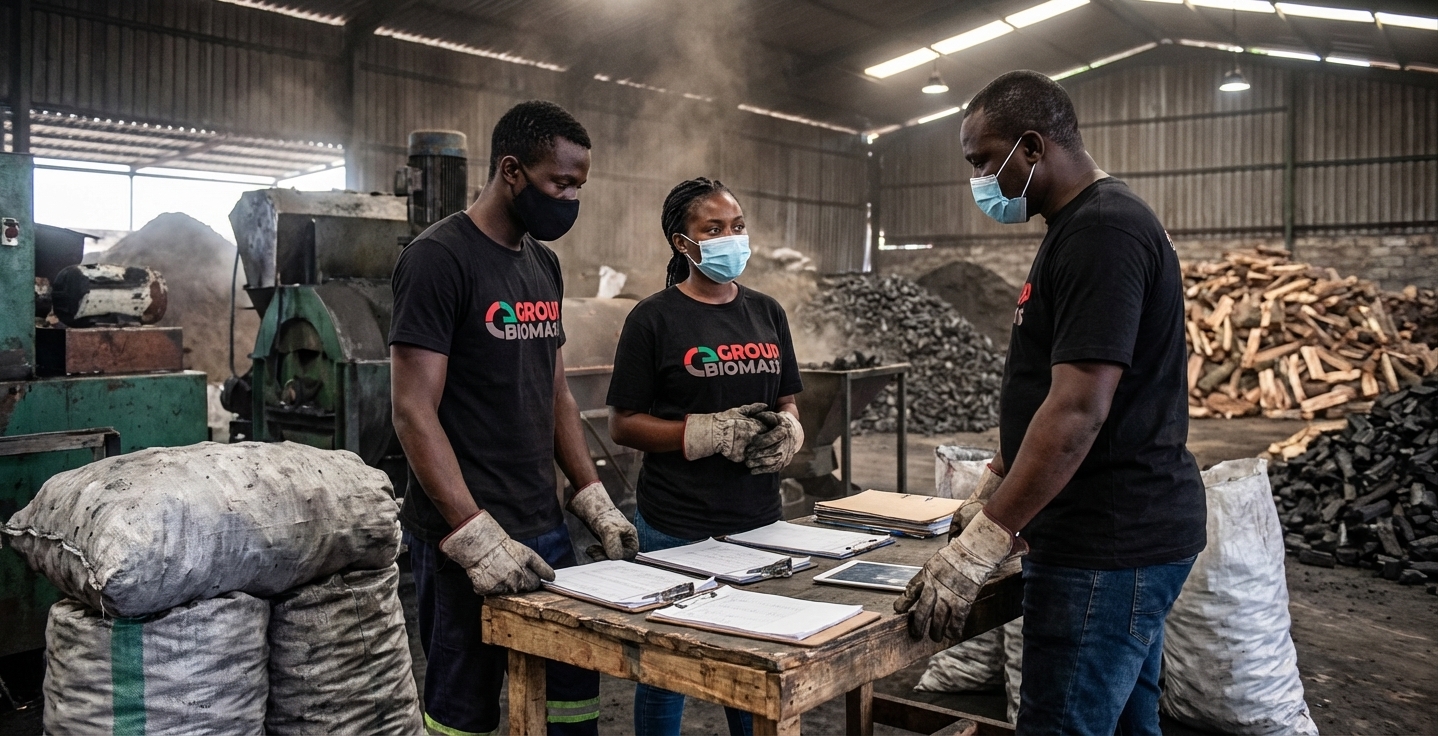
Deep within the nation , a massive site stands as a symbol to the rising demand for charcoal . This commercial complex, reportedly the nation’s largest wood plant , is drawing attention for both its size and the evident environmental consequences . While offering livelihoods for regional communities, the plant’s processes are prompting concerns about responsible forest practices and the long-term preservation of the country's natural resources.
Natural Lump Carbon Sale Boom: The Emerging Player
Cameroon is witnessing a substantial surge in dense lump charcoal shipments, positioning itself as a important player in the global industry. Thanks to growing demand from the US and Asian markets, the country’s production of this sustainable fuel is steadily expanding, offering valuable avenues for regional communities and supporting the national prosperity. The emphasis on environmentally friendly hardwood lump carbon is demonstrating to be a critical factor in attracting global customers.
Inside Cameroon’s Hardwood Lump Charcoal Factory: Production & Sustainability
Stepping across a common Cameroon forest lump fuel factory uncovers a surprisingly straightforward system of production. Raw hardwood, often obtained from sustainable forests, are carefully felled and transported to a oven. Inside, the wood is gradually cooked with restricted oxygen, a technique that converts it into lump charcoal. While the conventional methods used can be demanding, increasingly modern factories are adopting improved processes and pursuing ways to enhance the output and environmental sustainability. This covers dedicating in clean energy and introducing rigorous scrap management plans.
Cameroon's Lump Charcoal Trade : A Major Player in Global Sales
Despite mounting environmental worries , Cameroon’s lump charcoal trade remains a surprising and vital role in the global export landscape. The manufacture of charcoal from wood is a critical origin of income for thousands of the nation's families , particularly in underserved regions . This operation generates a substantial quantity of wood charcoal shipped for foreign consumers, often providing cooking needs in other countries , though this reliance creates difficulties relating to deforestation and sustainable tree management .
Le Face à Charbon En Bloc de Bois et Les Briquettes: Une Perspective Camerounaise
En le Cameroun , le décision entre le charbon de bois dur lump et des combustibles pose une question . Classiquement, , le charbon de bois dur a été privilégié pour son arôme authentique et sa capacité à créer une chaleur intense African hardwood lump charcoal , parfaite pour la rôtisseries locales . Cependant, , des briquettes , plus pratiques à trouver et moins abordables, gagnent à popularité , surtout dans les communautés modernes.
Eco-friendly Charcoal Making : The Trajectory of Cameroon’s Hardwood Business
The current method of charcoal production in Cameroon presents a significant problem to its valuable hardwood timberlands. However, emerging sustainable techniques offer a promising path forward. These include technologies like agricultural waste gasification and improved earth systems, which lessen deforestation, cut emissions, and offer financial opportunities for local villagers. Embracing these sustainable alternatives is critical to preserving Cameroon's precious heritage and guaranteeing the long-term viability of its hardwood business while addressing climate concerns.
Report this page